
Welcome! So many beautiful dogs available for adoption. When you see ‘the one’ please click on the Adopt Me button or Email us on eurescues@gmail.com to submit an application.
Our Dogs looking for homes












Our adoption process
1. Search our site or our FB albums and find the dog that fits you and your family
2. Contact us by Email, FB messenger or Contact Form to express an interest in the dog.
3. Our placement coordinator will call you to discuss the dog and to answer any questions.
4. We will organise a virtual home-check via video call.
5. If both parties are happy, we complete transport preparation and organise transport.
6. Adopters engage to provide accommodation and care for the dog for 30 days (exceptions to this only in cases of aggression, allergy or behaviours that endager humans or animals). During this assessment period, all possible assistance will be given to help the dog adapt to their new situation.
7. After 30 days, if all parties are in agreement, adoption completion and transfer of ownership will occur.
8. The rescue reserves the right to remove the animal from the home in any situationn deemed necessary prior to adoption completion.
Toilet training advice - 2 minute read
Housetraining Your Dog
Housetraining a puppy or adult dog requires patience, consistency, and positive reinforcement. Every dog is an individual and will learn at their own pace — so don’t be discouraged if progress feels slow at first. Follow these steps to set your new dog up for success:
1. Establish a routine Dogs thrive on routine. Create a consistent schedule for feeding and toilet trips outside. Puppies typically need to go shortly after eating, drinking, playing, or waking from a nap — so be ready to act quickly! Adult dogs have better bladder control and can manage longer gaps between breaks, but a predictable routine is still essential for both.
2. Choose a dedicated toilet spot Pick a specific area in your garden and take your dog there every time. Returning to the same spot helps them make the connection between the location and toileting. If you have a resident dog, take your new dog out with them — dogs often follow the lead of others, which can be a real shortcut!
3. Supervise and spot the signs In the early stages, keep your dog in the same room as you at all times. Use baby gates to limit their roaming space if needed. Watch for tell-tale signs that they need to go — sniffing the ground, circling, or becoming restless or whiny. The moment you notice any of these, calmly take them straight to their toilet spot outside.
4. Use a consistent toilet cue Choose a word or short phrase — such as “wee wees” or “get busy” — and use it every time you take them to their spot. With repetition, your dog will begin to associate the cue with the action, which can also help speed things along on cold or rainy days!
5. Praise and reward immediately The moment your dog toilets in the right place, praise them enthusiastically and offer a treat straight away. Timing is everything — the reward needs to come immediately after they finish so they make the connection. Make it a celebration every time!
6. Clean up accidents thoroughly Accidents will happen — it’s a normal part of the process. When they do, clean the area thoroughly with an enzymatic cleaner such as Simple Solution. Standard household cleaners won’t fully remove the scent, and any lingering odour can draw your dog back to the same spot.
7. Never punish accidents Scolding or punishing your dog for toileting indoors is counterproductive. Dogs don’t connect punishment after the fact with what they’ve done, and it can cause anxiety and confusion around toileting — making the whole process harder. If you catch them mid-accident, calmly interrupt and take them straight outside. If you find it after the fact, simply clean it up and move on.
8. Be patient and stay consistent Housetraining doesn’t happen overnight. There will be setbacks, especially in the first few weeks. The key is to stay calm, stick to your routine, and keep reinforcing the right behaviour. Consistency from everyone in the household is crucial — make sure all family members are following the same approach.
9. Gradually increase freedom as they progress As your puppy matures and gains better bladder and bowel control, you can slowly extend the time between toilet trips and allow access to more of the house. Take this step by step — giving too much freedom too soon is one of the most common reasons housetraining stalls. Earn that freedom gradually!
Helping nervous dogs with leads/collars/harnesses - 2 minute read
For a nervous dog, being fitted with a collar or harness and taken out on a lead can feel overwhelming. The key is to go slowly, keep everything positive, and always work at your dog’s pace — not the pace you feel you should be at. Progress may be gradual, but every small step forward is a win worth celebrating.
1. Introduce the equipment before you use it Before you even attempt to put anything on your dog, let them get used to the collar, harness, and lead simply existing in their space. Leave the items on the floor near them and let them sniff and investigate in their own time. Pair this with treats and calm praise so that from the very beginning, this equipment means good things are coming.
2. Choose the right equipment Select a well-fitting harness or collar that is comfortable and doesn’t dig in or restrict movement. For most nervous dogs, a harness is the better choice — collars can feel more restrictive around the neck and may trigger anxiety in dogs that are already unsure. A properly fitted harness distributes pressure more evenly and tends to feel less threatening.
3. Build positive associations with wearing it When you first start putting the harness or collar on, make it a positive experience every single time. Pop it on, offer treats and praise, then take it off again. Keep these early sessions short and relaxed. Repeat this until your dog is visibly comfortable — or even happy — when the harness appears. Don’t rush this stage; it lays the foundation for everything that follows.
4. Start indoors with the lead attached Once your dog is comfortable wearing their harness or collar, attach the lead and simply let them drag it around the house. Don’t hold it yet — just let them get used to the sensation of its weight and movement. Stay nearby and reward them calmly for moving around naturally. This removes any sense of pressure or restriction while they adjust.
5. Begin gentle lead walking indoors When your dog seems relaxed dragging the lead, pick up the other end — loosely, with no tension — and encourage them to take a few steps with you. Hold a treat at nose level and let them follow it, rewarding every step. Keep sessions short, positive, and pressure-free. The goal here is simply building their confidence that walking beside you is a safe and rewarding experience.
6. Move to the garden Once your dog is walking calmly with you indoors, take things outside to your garden. This is a familiar but slightly more stimulating environment — a great middle step before venturing into the wider world. Reward generously for any steps in the right direction, and don’t worry about covering distance. A few confident steps with a relaxed body is far more valuable than a long, anxious walk.
7. Always double-lead your dog outside your secure garden Before venturing beyond your garden, please ensure your dog is secured with both a harness or collar and lead and a slip lead. Nervous dogs can panic unexpectedly and back out of equipment in an instant. The slip lead provides a vital second layer of security while your dog is still adjusting to the outside world. Never skip this step until you are fully confident in both your dog’s behaviour and the fit of their equipment.
8. Gradually introduce the outside world When your dog is ready to go beyond the garden, start somewhere very quiet — a calm street or open space with minimal foot traffic and noise. Keep early outings short and let your dog set the pace. Reward frequently and watch their body language closely. As their confidence builds, you can slowly introduce slightly busier or more varied environments, always taking a step back if they seem overwhelmed.
9. Always go at your dog’s pace If at any point your dog shows signs of fear or anxiety — freezing, trembling, trying to retreat, or refusing to move — don’t push through it. Calmly take a step back, give them space, and return to a stage they were comfortable with. Forcing a nervous dog forward erodes trust and can set progress back significantly. Patience and understanding will always get you further than persistence.
Every dog that has come through rescue has their own story, and some will need much more time than others to feel safe in the world. That’s okay. With consistency, gentleness, and plenty of encouragement, most dogs get there — in their own time.
Introducing dogs to cats - 2 minute read
Introducing Your New Dog to Your Cat
Bringing a new dog into a home with a cat requires careful management and plenty of patience. Some dogs and cats become firm friends; others learn to coexist peacefully with a little mutual respect. Either outcome is a success — but rushing the process can set the relationship back significantly, so take it slowly and let both animals guide the pace.
Before your dog comes home
1. Set up a safe space for your cat Before your new dog even arrives, make sure your cat has a dedicated sanctuary they can retreat to at any time. This should be a room or area the dog cannot access, containing everything your cat needs — food, water, litter tray, a cosy bed, and plenty of hiding spots. Your cat needs to know there is always somewhere safe to go. This space should remain available to them throughout the introduction process and beyond.
2. Begin with scent swapping Animals gather a huge amount of information through smell, and allowing your dog and cat to get used to each other’s scent before they ever meet is one of the most important steps you can take. Swap bedding between the two animals, or use a soft cloth to gently rub one animal and then place it in the other’s space. Do this over several days before the introduction begins. By the time they meet, they will already be somewhat familiar with each other.
The introduction process
3. Visual introduction through a barrier Once your dog is home and settled, begin introductions through a baby gate or a door left slightly ajar. This allows both animals to see, smell, and observe each other while remaining completely safe. Watch their body language carefully during these sessions and keep them calm and brief. Don’t progress to the next stage until both animals appear relaxed — or at least not reactive — during these barrier sessions.
4. Create positive associations Throughout every stage of the introduction, pair the presence of the other animal with good things. Offer your dog treats and calm praise when they notice the cat and respond without lunging or fixating. Similarly, give your cat treats and attention when they choose to stay in the room near the dog rather than retreating. You are helping both animals build the association that the other being nearby predicts good things.
5. Controlled face-to-face meetings When both animals are consistently calm during barrier introductions, you can move to face-to-face meetings. Keep your dog on a lead and give them enough slack to move naturally, but be ready to calmly redirect their attention if needed. If you can, have another person present to help manage the situation. Keep these first meetings very short. End on a calm note before either animal becomes stressed.
6. Watch body language closely During every face-to-face session, watch both animals carefully. Signs that things need to slow down include: your dog stiffening, staring intensely, or lunging towards the cat; your cat hissing, spitting, or becoming cornered. A dog that is fixated on the cat — even silently — needs to be calmly redirected. Never leave them together unsupervised until you are fully confident in their relationship, and even then, always ensure your cat has an escape route.
7. Gradually increase supervised time together As confidence and familiarity grow, slowly increase the length and frequency of supervised time together. Allow both animals to interact at their own pace and on their own terms — never force proximity. Some cats will be curious and approach the dog themselves; others will prefer to observe from a distance for weeks before getting closer. Both are completely normal.
Ongoing management
8. Always give your cat escape routes and high spaces Even once things are going well, your cat should always have access to high shelves, cat trees, or separate rooms where they can get away from the dog if they choose to. Cats feel safest when they can observe from above, and knowing they can escape at any time significantly reduces their stress. A cat that feels trapped is far more likely to lash out.
9. Teach your dog a reliable “leave it” Working on basic obedience — particularly a solid “leave it” cue — is invaluable when living with both a dog and a cat. Being able to redirect your dog’s attention calmly and reliably gives you an important tool for managing any tense moments and reinforces to your dog that ignoring the cat is always the right choice.
Remember that some introductions take days, others take months. As long as both animals are safe and neither is living in a constant state of stress, progress — however slow — is still progress. Never force the relationship, and always prioritise your cat’s ability to feel secure in their own home.
Your rescue arrived, what next? - 2 minute read
Your Rescue Dog Has Arrived — What Now?
Bringing your rescue dog home is an exciting milestone, but for your new dog, it can feel completely overwhelming. They have left behind everything familiar — the smells, the routines, the people they knew — and arrived somewhere entirely new. The most important thing you can do in these early days is to slow down, keep things calm, and give them the time and space they need to begin feeling safe.
The first few days
1. Keep things quiet As tempting as it is to introduce your new dog to friends, family, and neighbours straight away, resist the urge. The first few days should be calm and low-key. Limit visitors, avoid loud or busy environments, and give your dog the chance to begin adjusting to your home, your smells, and your presence without additional overwhelming stimulation. There will be plenty of time for introductions once they have found their feet.
2. Set up a safe space before they arrive Before your dog comes home, prepare a quiet area that is just for them — somewhere they can retreat to whenever they feel unsure or need to decompress. This could be a crate with the door left open, a dog bed in a quiet corner, or a designated room. Include a cosy bed, fresh water, and something with a familiar scent if possible. Make sure all family members know that when the dog is in their safe space, they are left alone. This space is their sanctuary, not somewhere they should ever be disturbed.
3. Establish a gentle routine straight away Dogs feel more secure when life is predictable. From day one, begin establishing a simple daily routine around feeding, toilet trips, and walks. You don’t need a rigid timetable, but consistency around the key moments of the day will help your dog begin to understand what to expect — and that predictability is enormously reassuring for a dog that has experienced uncertainty.
What to expect
4. Understand the “3-3-3 rule” Many rescue dogs follow a pattern that is often referred to as the 3-3-3 rule, and being aware of it can help you set realistic expectations. In the first 3 days, your dog may feel shut down, overwhelmed, or unsure — they might not eat well, sleep well, or show much personality. In the first 3 weeks, they will begin to relax and settle into the routine, and their true character will start to emerge. By 3 months, most dogs are beginning to feel truly at home and secure. Every dog is different, but understanding this pattern can help you feel reassured when progress feels slow.
5. Don’t be alarmed by quiet or withdrawn behaviour Many rescue dogs arrive and seem subdued, flat, or uninterested in food, play, or interaction. This is completely normal and does not mean something is wrong. They are processing an enormous amount of change. Give them space, keep the environment calm, and avoid putting pressure on them to interact before they are ready. Let them come to you in their own time — and when they do, make it a gentle and rewarding experience.
6. Equally, some dogs arrive full of anxiety Not all rescue dogs arrive quiet. Some will pace, whine, be unable to settle, or follow you from room to room. This is also a completely normal stress response. Avoid reinforcing anxious behaviour by staying calm yourself — dogs take a great deal of emotional information from the people around them. A calm, reassuring presence is the most valuable thing you can offer.
Building trust and confidence
7. Let your dog explore at their own pace Allow your dog to investigate their new home gradually and in their own time. Some dogs will be curious and want to explore straight away; others will stay close to one spot for several days. Both are normal. Avoid flooding them with too much space too soon — beginning with one or two rooms and gradually expanding access as their confidence grows can help prevent anxiety and accidents.
8. Get the basics right before anything else In the early weeks, focus on the fundamentals — housetraining, lead walking, and simply spending calm time together. Avoid enrolling in classes, arranging dog-to-dog introductions, or attempting anything new and potentially stressful until your dog has had time to settle. Building a foundation of trust and security first will make everything else much easier down the line.
9. Learn to read their body language Spend time simply observing your dog. Notice how they hold their body when they are relaxed, what makes their tail wag, and what causes them to stiffen or look uncertain. The more fluent you become in reading their signals, the better placed you will be to support them, advocate for them, and avoid putting them in situations they aren’t ready for.
10. Keep your expectations realistic The dog you see in the first week is rarely the dog you will have in six months. Rescue dogs often need considerable time before their full personality emerges — and the transformation can be remarkable. Try not to compare their progress to other dogs, and try not to measure success against a fixed timeline. Focus instead on the small wins: the first time they take a treat from your hand, the first time they settle on their bed without pacing, the first time they wag their tail at the sound of your voice. These moments matter enormously.
A final note
Rescue dogs have often had complicated journeys before arriving with you. Some will settle in quickly and surprise you with their resilience; others will need months of gentle, consistent support before they truly begin to flourish. Whatever pace your dog moves at, know that simply providing them with safety, patience, and kindness is already making a profound difference to their life.
If you are ever worried about your dog’s behaviour or wellbeing during the settling-in period, please don’t hesitate to get in touch with us — we are always here to help.
Introducing dogs to children - 2 minute read
Partner Dogs Available for Adoption



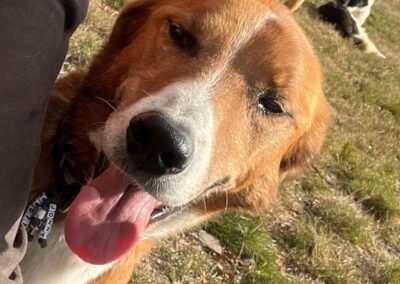



Why Adopt or Foster?
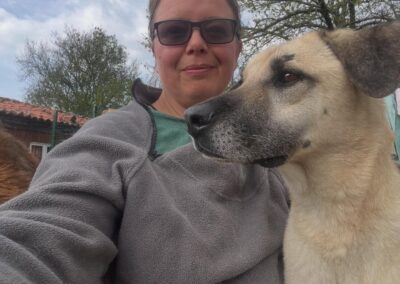
It saves dogs' lives & gives them a second chance
It helps to fight against puppy mills and reduces the numbers of those euthanised
It makes a rescue space available for another needy dog
Adopters receive ongoing support
It is a kind and loving act
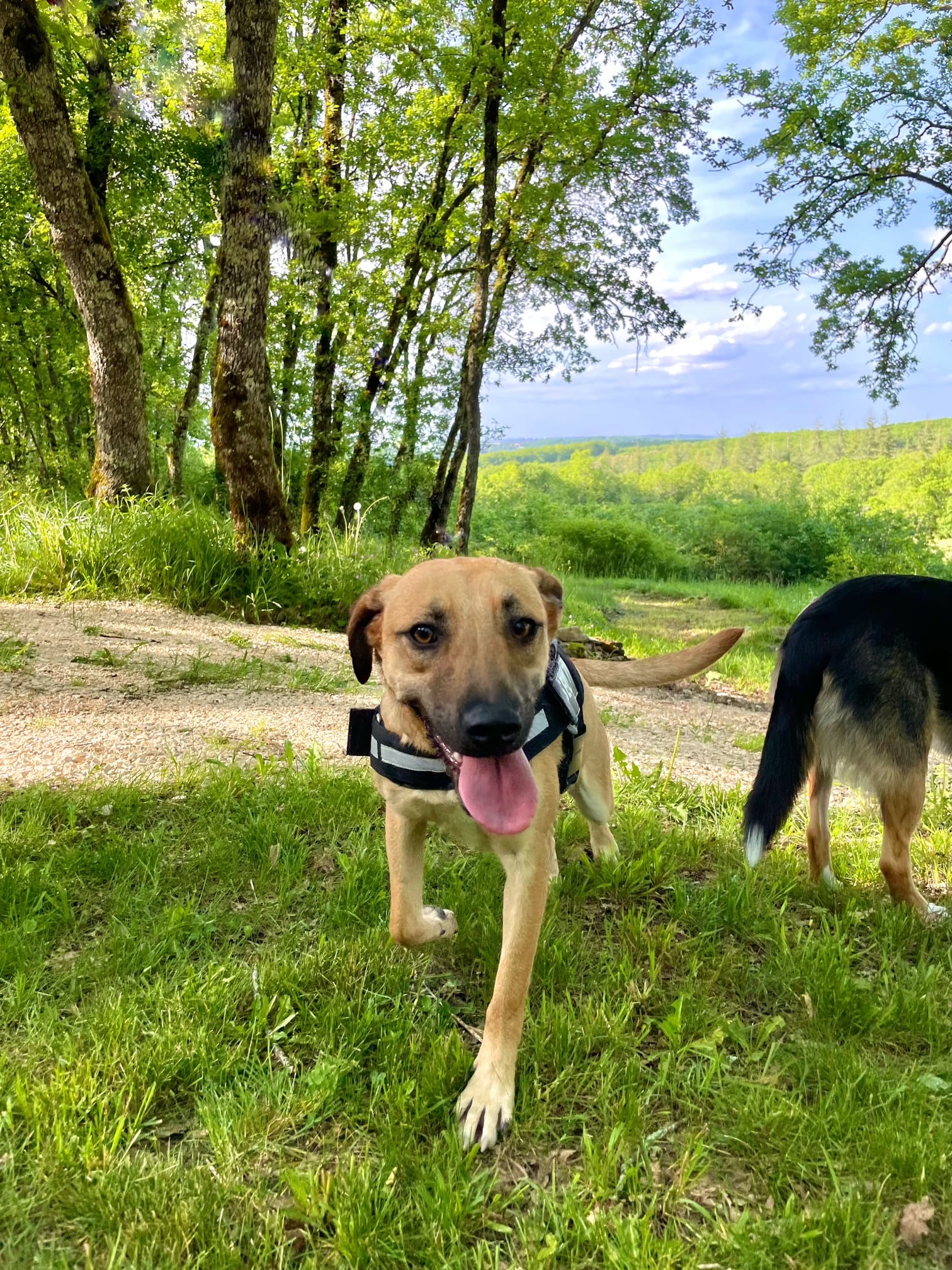
Happily Adopted Dogs
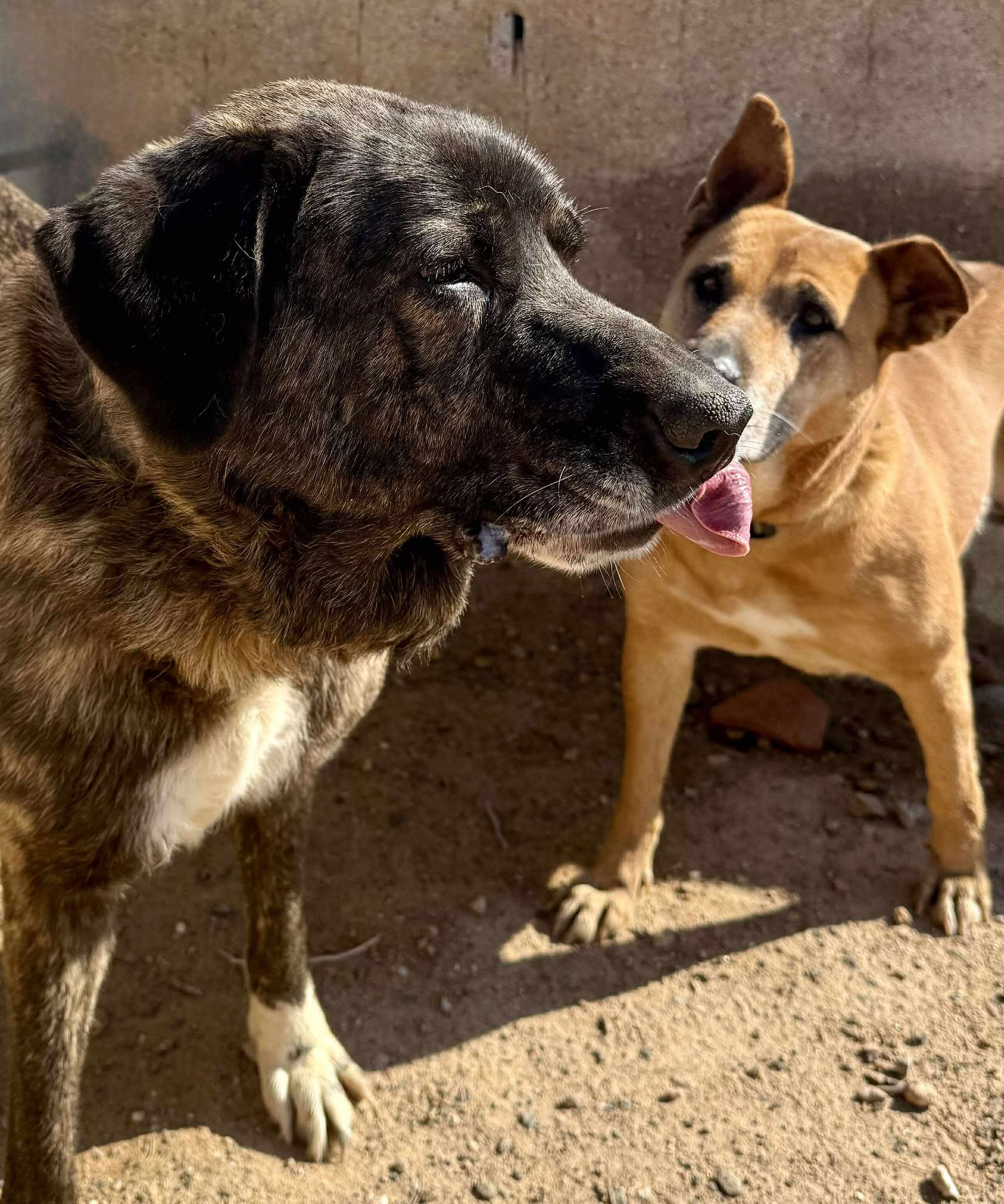
Fostering Dogs Saves Lives
Fostering a dog allows them to adjust to a new life outside of a pound, off of the streets, or away from neglect & abuse. Adopting saves dogs’ lives and gives them a much-needed second chance.
We cover transport and vet costs for all dogs that are offered a foster home.
Please use the contact form or click the email icon if you would like to foster any of our dogs.
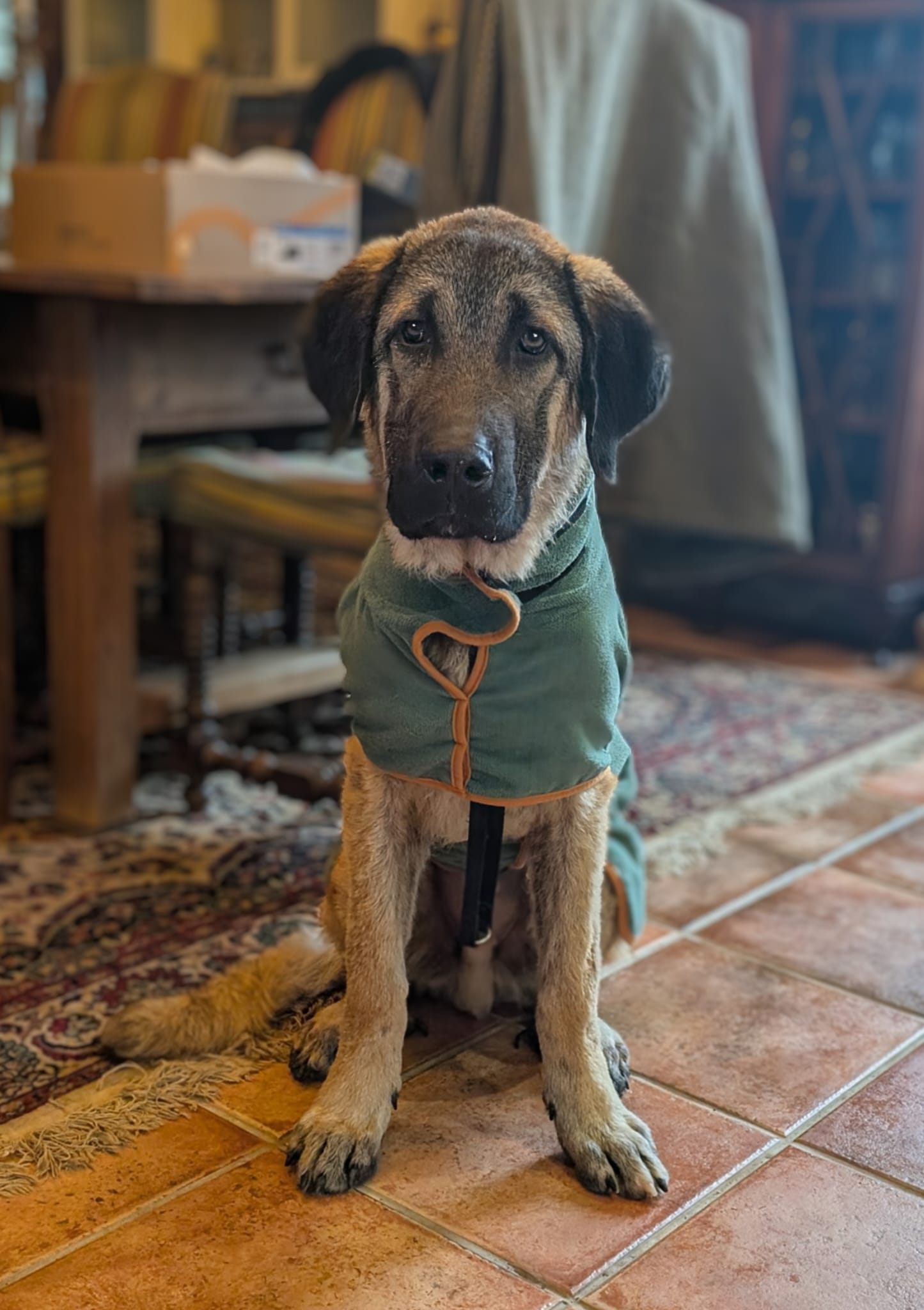
Leo learned so much from foster home, now adopted

Adopt A Dog

Make a Donation
