Welcome! So many beautiful dogs available for adoption. When you see ‘the one’ please click on the Adopt Me button or Email us on eurescues@gmail.com to submit an application.
Our Dogs looking for homes



Our adoption process
1. Search our site or our FB albums and find the dog that fits you and your family
2. Contact us by Email, FB messenger or Contact Form to express an interest in the dog.
3. Our placement coordinator will call you to discuss the dog and to answer any questions.
4. We will organise a virtual home-check via video call.
5. If both parties are happy, we complete transport preparation and organise transport.
6. Adopters engage to provide accommodation and care for the dog for 30 days (exceptions to this only in cases of aggression, allergy or behaviours that endager humans or animals). During this assessment period, all possible assistance will be given to help the dog adapt to their new situation.
7. After 30 days, if all parties are in agreement, adoption completion and transfer of ownership will occur.
8. The rescue reserves the right to remove the animal from the home in any situationn deemed necessary prior to adoption completion.
Toilet training advice - 2 minute read
Housetraining a puppy or adult dog requires patience, consistency, and positive reinforcement. Here are some steps to help you housetrain your new dog:
- Establish a routine: Create a consistent schedule for feeding and taking your dog outside to the toilet. Puppies generally need to go shortly after eating, drinking, playing, or waking up from a nap. Adult dogs generally have better bladder control than puppies, so you can space out toilet breaks accordingly. Aim for a routine that aligns with your dog’s natural toilet needs.
- Choose a specific toilet area in your garden: Select a specific spot outside where you want your dog to go. Take them to this area consistently to establish the association between the location and toileting. If you already have a resident dog take your new dog out with them when they toilet.
- Supervise and recognise signs: Keep a close eye on your dog at all times, especially during the early stages of housetraining. Use baby gates to confine them to a smaller area with you so you can learn to recognise your dogs signs of needing to go to the toilet, such as sniffing, circling, or whining. When you notice these signs, immediately take them outside to the specific toilet area outside.
- Use a consistent command: Choose a specific word or phrase, such as “wee wee’s” or “get busy” and use it consistently when you take your dog outside to toilet. This helps them associate the command with the act.
- Reward and praise: When your dog toilets in the appropriate area, immediately praise them and offer a treat. Positive reinforcement helps reinforce the desired behavior.
- Clean accidents properly: If your dog has an accident indoors, clean it up thoroughly using an enzymatic cleaner such as Simple Solution. This eliminates the scent, as residual odour may encourage them to go in the same spot again.
- Avoid punishment: Never scold or punish your dog for accidents. This can create fear and anxiety around toileting and hinder the housetraining process. Instead, focus on positive reinforcement and redirection to the designated toileting area.
- Be patient and consistent: Housetraining takes time, and accidents will happen along the way. Stay patient, remain consistent with your routine, and continue reinforcing the desired behavior. Your dog will gradually learn where and when to go to the toilet.
- Adjust as your puppy grows: As your puppy gets older and gains more control over their bladder and bowel movements, you can gradually increase the time between toilet breaks. However, continue to maintain a consistent schedule and provide ample opportunities for them to toilet outside.
Please remember all dogs are individuals and learn at different rates.
Helping nervous dogs with leads/collars/harnesses - 2 minute read
- Introduce the lead and collar/harness gradually: Start by introducing them to your dog in a calm and positive manner. Let them sniff and investigate the lead and harness, associate them with positive experiences by offering treats and praise.
- Use a comfortable harness or collar: Choose a comfortable harness or collar that fits properly and doesn’t cause discomfort to the dog. Most dogs do better with harnesses and collars may trigger fear or anxiety in some dogs.
- Encourage positive associations: Create positive associations with the Harness or collar by offering treats, praise, and rewards whenever you put it on your dog this helps the dog understand that they are associated with positive experiences.
- Start indoors: Begin the lead training indoors in a quiet and familiar environment. Attach the lead to the dog’s harness or collar and allow them to explore and walk around freely while dragging the lead behind them. This helps them get used to the sensation of the lead without any pressure.
- Encourage walking with treats: Once the dog is comfortable with the lead dragging behind them, begin encouraging them to take a few steps with you. Hold a treat in your hand near their nose and tempt them to move forward, rewarding them with the treat and praise for walking even a short distance. Start holding the lead gently without pressure while doing this.
- Gradually introduce walking outside: Slowly get your dog used to walking outside starting in the garden. Reward the dog with treats and praise for walking beside you or even a few steps in the right direction. Use a calm and encouraging tone of voice to reassure them throughout the training.
- Double lead your dog before going beyond you secure garden: As well as a harness/collar and lead we strongly advise you also use a slip lead on your dog for added security whilst they get used to the outside world.
- Gradually introduce new outdoor environments: Once the dog is comfortable walking on a lead indoors and in the garden, gradually transition to outdoor environments. Start in a quiet area and slowly work your way up to busier places. Be patient and understanding if the dog shows signs of nervousness and provide reassurance and rewards for positive behavior.
- Address fear or anxiety: If the dog shows signs of fear or anxiety during lead training, take a step back and give them time to adjust. Work at their pace, using positive reinforcement to build their confidence.
Please remember that your dog is a unique individual that needs patience, love and calm.
Introducing dogs to cats - 2 minute read
- Prepare a separate space for your cat: Before bringing your new dog home, set up a safe space where your cat can retreat to and feel secure. This can be a separate room with their food, water, litter box, and a cosy bed or hiding spots.
- Allow scent exchange: Before the actual introduction, allow the dog and cat to become familiar with each other’s scents. Swap bedding or use a cloth to rub each animal, then place the cloth in the other’s area so they can investigate the scent.
- Use a gradual introduction: Start by keeping the dog and cat separated but allowing them to see and sniff each other through a baby gate. This visual introduction helps them become acquainted while maintaining a safe barrier.
- Positive associations: During the introduction phase, associate the presence of the other animal with positive experiences. Provide treats, playtime, and attention to both the dog and the cat when they are in close proximity to each other.
- Controlled face-to-face meetings: Once both the dog and cat show signs of being comfortable with the visual introduction, you can proceed to controlled face-to-face meetings. Use a lead for the dog and have another person present to help manage the situation if you feel its necessary.
- Monitor body language: Observe the body language of both the dog and the cat during face-to-face meetings. Look for signs of stress or aggression, such as raised hackles, growling, hissing, or stiff body posture. If any signs of aggression occur, separate them and try again later.
- Gradual supervised interactions: Over time, gradually increase the duration and frequency of supervised interactions between the dog and cat. Allow them to interact on their own terms, and never force them to interact if they show signs of discomfort or fear.
- Provide separate spaces: Ensure that your cat has access to high perches, shelves, or separate rooms where they can escape to if they feel overwhelmed or need a break from the dog.
- Training and management: Train the dog to have a reliable “leave it” command and other basic obedience cues. This will help you redirect their attention and manage their behavior around the cat.
Your rescue arrived, what next? - 2 minute read
Partner Dogs Available for Adoption


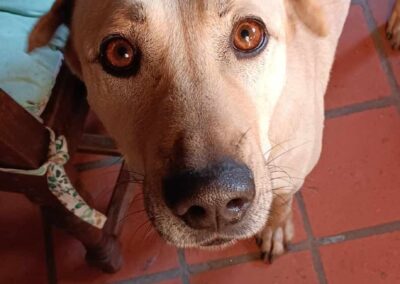
Why Adopt or Foster?
It saves dogs' lives & gives them a second chance
It helps to fight against puppy mills and reduces the numbers of those euthanised
It makes a rescue space available for another needy dog
Adopters receive ongoing support
It is a kind and loving act
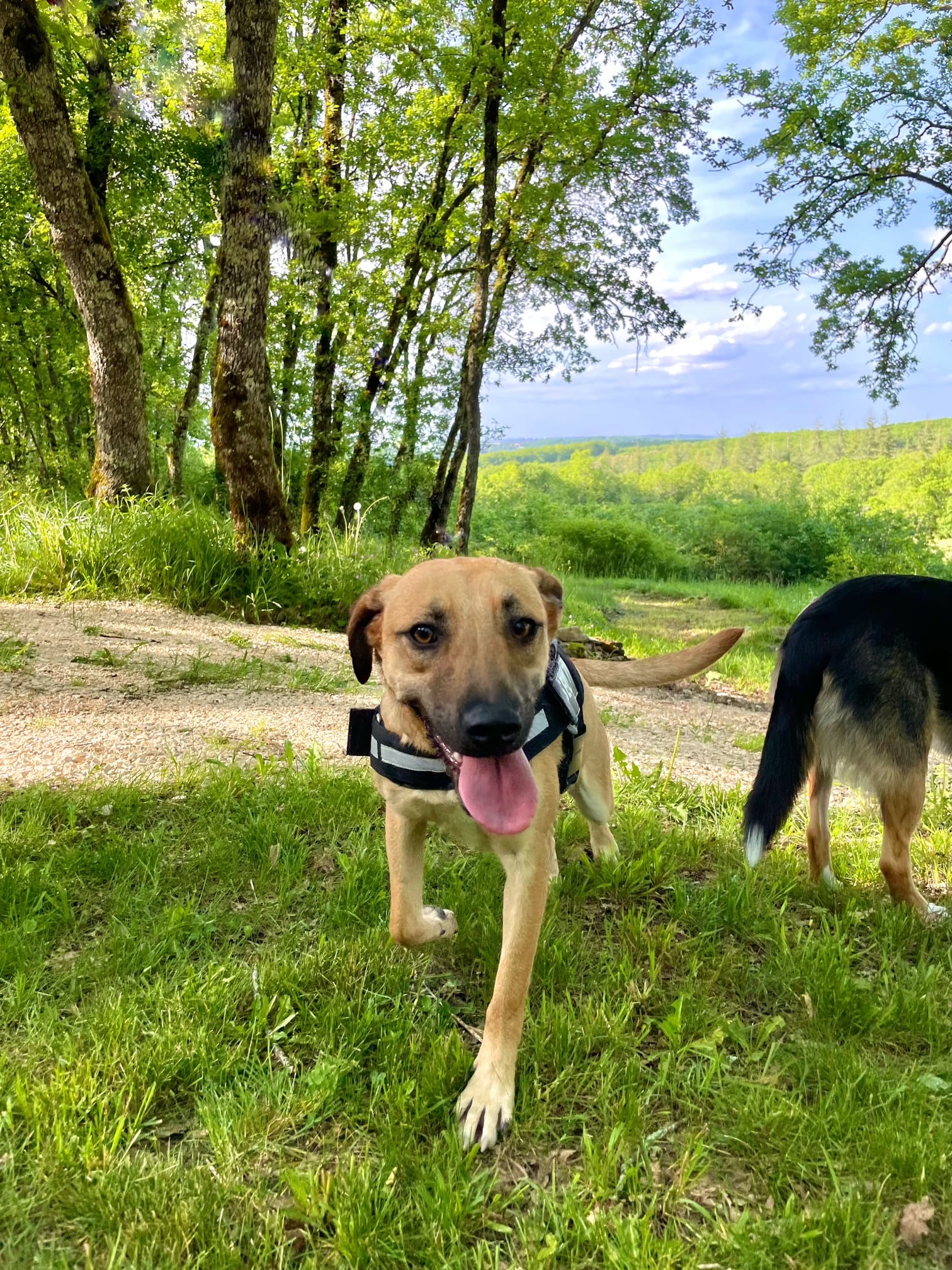
Happily Adopted Dogs
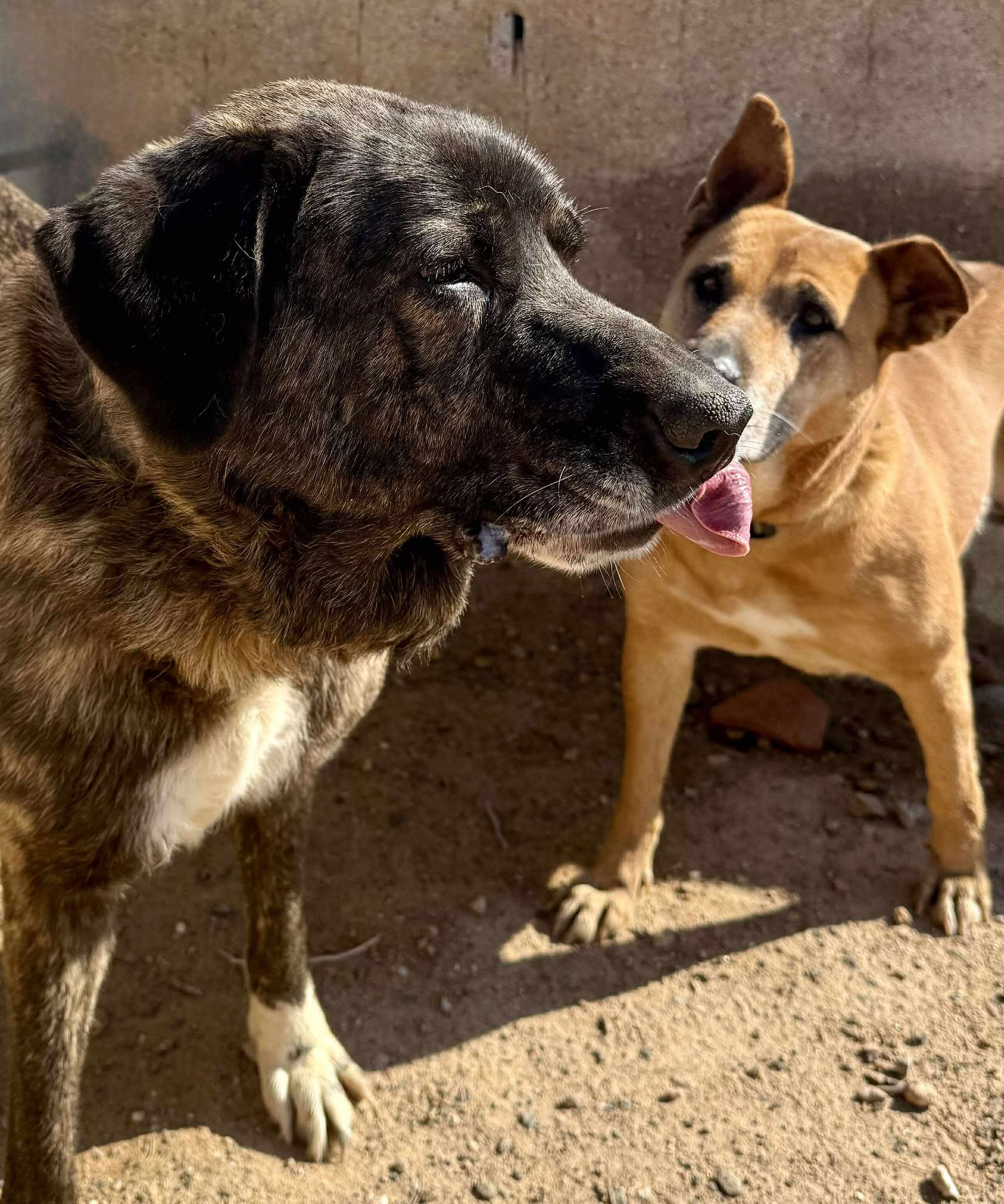
Fostering Dogs Saves Lives
Fostering a dog allows them to adjust to a new life outside of a pound, off of the streets, or away from neglect & abuse. Adopting saves dogs’ lives and gives them a much-needed second chance.
We cover transport and vet costs for all dogs that are offered a foster home.
Please use the contact form or click the email icon if you would like to foster any of our dogs.
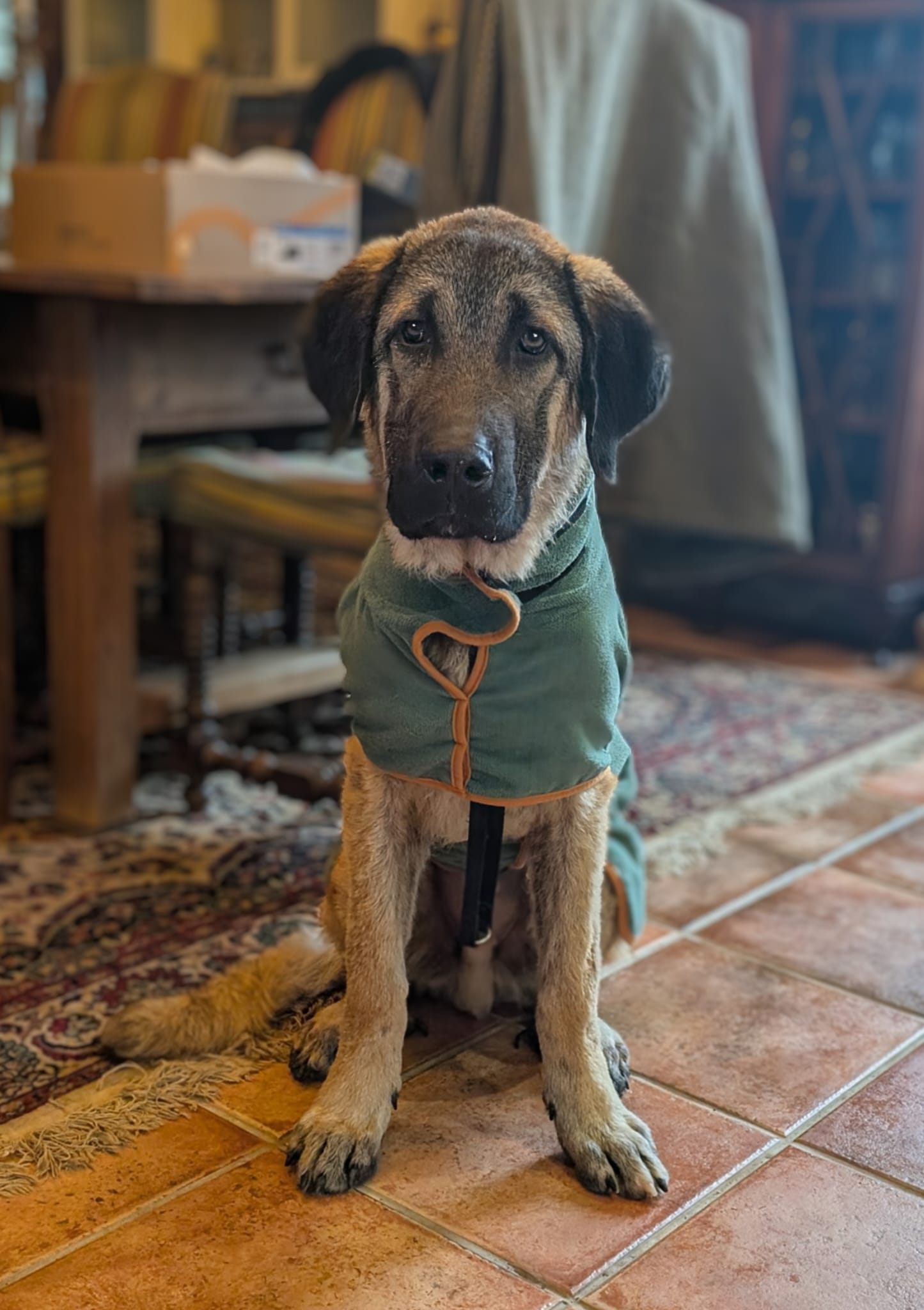
Leo is learning lots in his foster home

Adopt A Dog

Make a Donation
